Why You Suddenly Wake Up at 3 AM Every Night
H
Health Bae
December 13, 20259 min read
#sleep problems#insomnia#waking up at night#cortisol and sleep#blood sugar#rem sleep#sleep science#better sleep#sleep disorders#healthy sleep
050
Comments (0)
Sign in to join the conversation
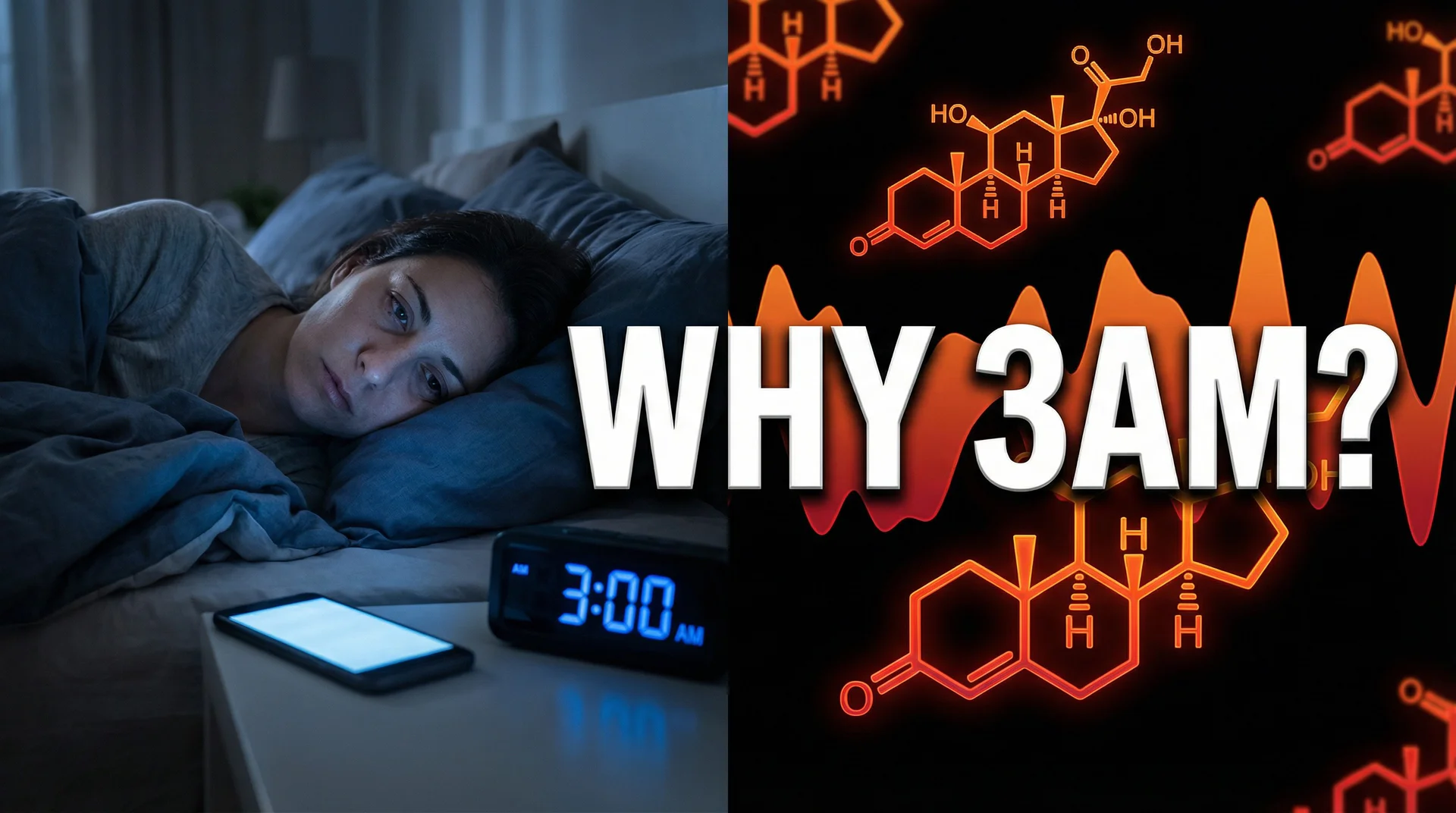
Have you ever jolted awake at 3 AM, heart racing, mind suddenly alert, only to stare at the ceiling for the next hour? You're far from alone. Over 35% of people wake up in the middle of the night at least three times per week, and 3 AM seems to be the universal witching hour. But there's nothing mystical about it. The answer lies in fascinating biology and body rhythms.
The Science Behind 3 AM Awakenings
Your Sleep Cycles Are Shifting
Sleep isn't a single, continuous state. Throughout the night, you cycle through different stages: light sleep, deep sleep, and REM (rapid eye movement) sleep. Here's what most people don't realize: as morning approaches, your body spends progressively more time in REM sleep.
REM sleep is much lighter than deep sleep. It's when you dream most vividly, and it's also when you're most easily awakened. By 3 AM, if you went to bed around 10 or 11 PM, you've completed several sleep cycles and are spending longer periods in this lighter, more vulnerable sleep stage. Any small disturbance (a noise, a temperature change, or internal signals from your body) can pull you out of sleep.
The Cortisol Connection
Cortisol, often called the "stress hormone," plays a crucial role in your 3 AM awakenings. But cortisol isn't just about stress. It's essential for energy and alertness throughout the day.
Cortisol follows a predictable 24 hour rhythm. It's at its lowest point in the evening, allowing you to fall asleep. But around 2 to 3 AM, cortisol begins its gradual climb. This early morning rise continues until it peaks approximately 30 to 45 minutes after you wake up, helping you feel alert and energized for the day ahead.
Normally, you sleep through this initial cortisol rise without noticing. However, if you're experiencing chronic stress or anxiety, your cortisol system becomes hypersensitive. Even that natural 3 AM increase can feel like an alarm bell, jolting you awake with a racing heart and active mind.
Blood Sugar Drops and the Somogyi Effect
One of the most overlooked causes of 3 AM waking is blood sugar regulation. Your brain depends on steady glucose levels to function, even while you sleep. During the night, your liver produces glucose to maintain these levels.
Problems arise when blood sugar drops too low. This condition is particularly common if you:
When blood glucose falls below a critical threshold, your body triggers an emergency response. It releases stress hormones (cortisol, adrenaline, and glucagon) to bring blood sugar back to safe levels. While this saves you from dangerous hypoglycemia, these same hormones jolt you awake. This phenomenon is known as the Somogyi effect.
You might wake up feeling anxious, shaky, or with your heart pounding. These are telltale signs of that adrenaline surge your body used to correct low blood sugar.
Why 3 AM Specifically?
The timing isn't coincidental. Most adults go to bed between 10 PM and midnight and wake between 6 AM and 8 AM. Three AM sits precisely in the middle of this sleep window. It's the point where multiple factors converge:
It's not magic or spiritual significance. It's simply when your body's various rhythms intersect in a way that makes waking most likely.
Other Contributing Factors
Anxiety and Racing Thoughts
Your brain doesn't completely shut down during sleep. In fact, during REM sleep, your brain is remarkably active, processing emotions and consolidating memories. Scientists have known for nearly a century that unfinished tasks maintain heightened activation in the brain.
If you went to bed with worries or an incomplete to do list, those concerns don't disappear. When you enter lighter REM sleep around 3 AM, these thoughts can surface and wake you up. Your brain essentially interrupts your sleep to address what it perceives as unresolved problems.
Alcohol's Delayed Effects
While a glass of wine might help you fall asleep initially, alcohol severely disrupts sleep quality. It suppresses REM sleep during the first half of the night. Then, as your body metabolizes the alcohol (typically about five hours after your last drink), you experience a rebound effect.
If you finished drinking around 9 or 10 PM, this rebound peaks right around 2 to 3 AM. Your nervous system becomes activated, often waking you with feelings of anxiety or restlessness. Alcohol also destabilizes blood sugar, compounding the waking effect.
Environmental Disruptions
During deep sleep, you might sleep through various disturbances. But in lighter REM sleep, your threshold for awakening drops dramatically. Small amounts of light from streetlamps or electronics, ambient noise like traffic or a partner's snoring, or temperature changes can all trigger waking during this vulnerable phase.
The Aging Factor
As we age, sleep architecture changes. Older adults spend less time in deep sleep and more time in lighter sleep stages. The circadian rhythm also shifts, causing earlier feelings of sleepiness in the evening and earlier morning awakening. These natural changes make middle of the night awakenings more common with age.
Hidden Sleep Disorders
Sometimes, persistent 3 AM waking signals an underlying sleep disorder:
Sleep apnea causes repeated breathing interruptions, often during REM sleep, which can jolt you awake gasping or choking.
Restless leg syndrome creates uncomfortable sensations and an irresistible urge to move your legs, disrupting sleep.
Insomnia is characterized by difficulty staying asleep, with awakenings lasting 30 minutes or longer being a hallmark symptom.
Proven Solutions to Sleep Through the Night
Establish Sleep Schedule Consistency
Your internal clock thrives on predictability. Going to bed and waking up at the same time every day (yes, even on weekends) trains your body to expect sleep at specific times. This consistency strengthens your circadian rhythm and reduces the likelihood of middle of the night awakenings.
Optimize Your Evening Routine
Caffeine cutoff: Stop all caffeine consumption by 2 PM. With a half life of 6 to 8 hours, that afternoon coffee can still interfere with sleep quality.
Alcohol timing: If you drink, finish at least three hours before bed to avoid that 3 AM rebound effect.
Dinner strategy: Eat your last meal at least three hours before sleeping. If you need a bedtime snack, choose protein and healthy fat (like a spoonful of nut butter or a hard boiled egg) rather than sugary or starchy foods that spike and crash blood sugar.
Create an Ideal Sleep Environment
Darkness matters: Make your bedroom as dark as possible. Even small amounts of light can disrupt sleep. Consider blackout curtains or an eye mask.
Temperature control: Keep your room cool, ideally between 65 to 68°F (18 to 20°C). Your body temperature naturally drops during sleep, and a cooler room facilitates this process.
Minimize noise: Use a white noise machine or earplugs if external sounds are problematic.
Remove electronics: Eliminate phones, tablets, and TVs from the bedroom, or at least turn them off completely.
Manage Stress and Anxiety
Pre sleep brain dump: Spend five minutes before bed writing down tomorrow's tasks and any worries on your mind. Research shows this simple practice significantly improves sleep quality.
Relaxation techniques: Practice deep breathing, progressive muscle relaxation, or meditation before bed to calm your nervous system.
Regular exercise: Physical activity during the day improves sleep quality, but avoid intense exercise within three hours of bedtime as it can raise cortisol levels.
Handle Middle of the Night Awakenings Properly
If you do wake up at 3 AM:
Don't check your phone: Blue light suppresses melatonin and signals your brain that it's time to be awake.
Avoid bright lights: If you need to get up, use dim red lighting, which has minimal impact on melatonin.
Follow the 20 minute rule: If you can't fall back asleep within 20 minutes, get up and go to another room. Do something calm and unstimulating. Read under dim light or listen to quiet music. Return to bed only when you feel sleepy again.
Don't catastrophize: Waking briefly during the night is completely normal. The problem isn't the waking itself. It's the anxiety about waking that keeps you up.
When to See a Doctor
While occasional 3 AM waking is normal, certain patterns warrant medical attention:
A healthcare provider can order a sleep study to diagnose disorders like sleep apnea, test your cortisol and blood sugar patterns, or recommend continuous glucose monitoring to identify metabolic issues affecting your sleep.
The Bottom Line
Waking at 3 AM isn't a personal failing or a sign that something is fundamentally wrong with you. It's a convergence of normal biological processes (cortisol rhythms, sleep cycle transitions, and blood sugar regulation) occurring at a vulnerable point in your sleep.
The good news? With understanding and targeted interventions, most people can resolve this pattern. Your brain and body are remarkably adaptable. Consistent sleep schedules, optimized evening routines, stress management, and an ideal sleep environment can retrain your system to sleep through the night.
You don't have to accept 3 AM as your permanent wake up time. With the right approach, restful, uninterrupted sleep is within reach.
Medical Disclaimer: This article is for informational purposes only and does not constitute medical advice. If you're experiencing persistent sleep problems, consult with a healthcare professional for proper evaluation and treatment.