Why You Feel Dizzy When You Stand Up Too Fast: The Science Explained
H
Health Bae
December 15, 20259 min read
#orthostatic hypotension#dizziness causes#blood pressure#standing up dizzy#health symptoms#cardiovascular health#circulation problems#dehydration symptoms#postural hypotension#brain blood flow
06
Comments (0)
Sign in to join the conversation
Have you ever jumped out of bed or stood up quickly from a chair, only to feel the room spin around you? That dizzy, lightheaded sensation is incredibly common and has a specific medical name: orthostatic hypotension, also called postural hypotension. While it can be unsettling, understanding what's happening in your body can help you prevent it and know when it might signal something more serious.
What Is Orthostatic Hypotension?
Orthostatic hypotension is a form of low blood pressure that happens when standing after sitting or lying down. The term comes from "orthostatic," meaning upright posture, and "hypotension," meaning low blood pressure.
Up to 20% of people over age 65 experience some degree of orthostatic hypotension, but it can affect anyone at any age, even young, healthy individuals. The sensation typically resolves within seconds to minutes, but understanding why it happens can help you manage and prevent it.
The Science: What Happens When You Stand Up
Gravity's Immediate Effect
When you're sitting or lying down, your blood is distributed relatively evenly throughout your body. Your heart doesn't have to work particularly hard against gravity to pump blood to your brain since everything is roughly at the same level.
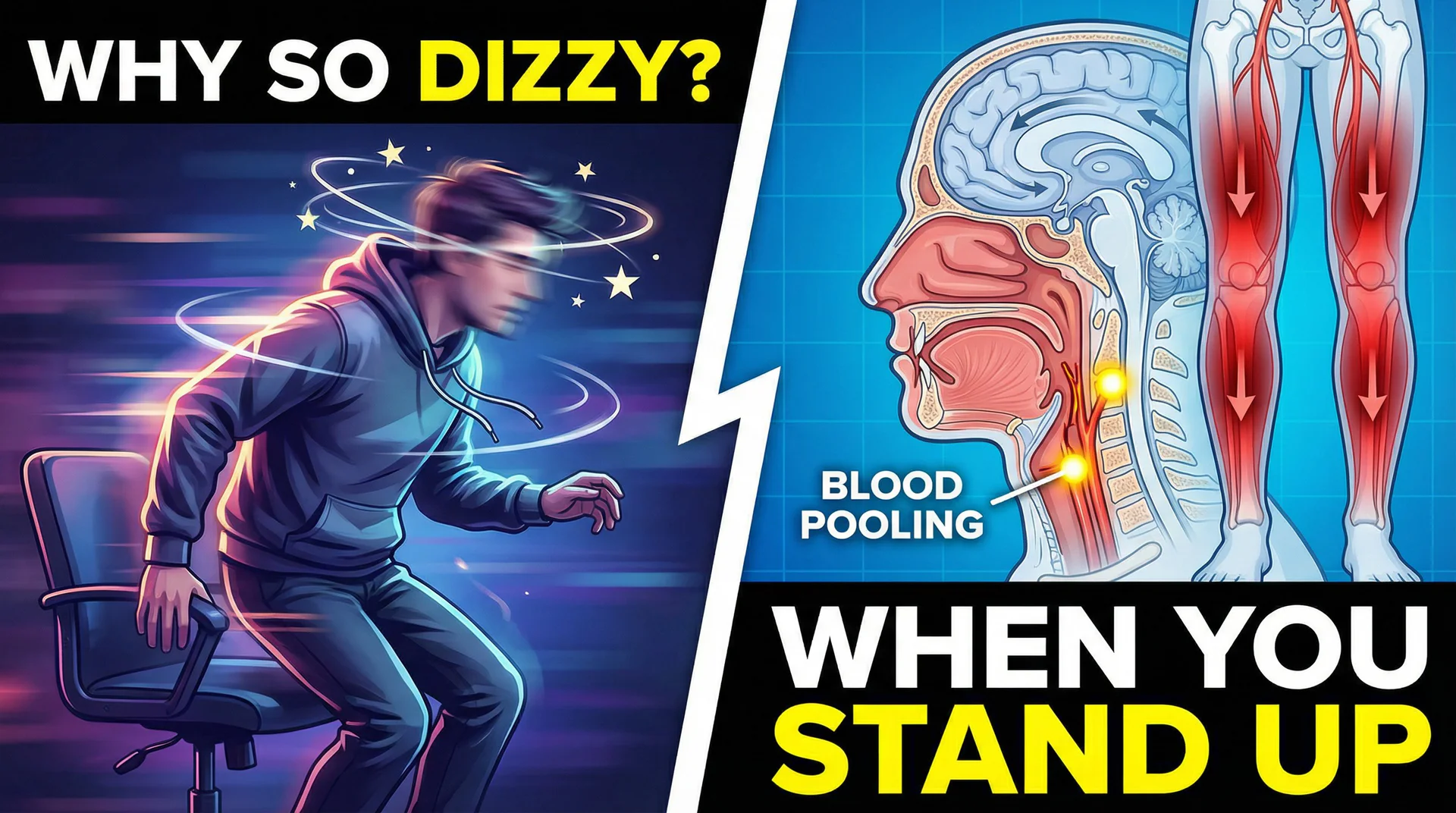
The moment you stand up, however, everything changes. Changing from a lying position to standing loses about 700 ml of blood from the thorax. That's almost three cups of blood suddenly pooling in the blood vessels of your legs and lower body.
This dramatic shift means your heart suddenly has much less blood available to pump throughout your upper body and, critically, to your brain. Your brain is extremely sensitive to changes in blood flow because it requires constant oxygen to function properly.
Your Body's Automatic Response System
When you stand, blood in your legs and feet has a harder time reaching your heart. There's less blood available for your heart to send to organs and muscles. As a result, your blood pressure temporarily drops.
Fortunately, your body has an sophisticated automatic response system. Special sensors called baroreceptors, located near your heart and in the arteries of your neck, constantly monitor your blood pressure. When you stand and blood pressure drops, these sensors detect the change instantly and send urgent signals to your brainstem.
Your body then implements several immediate countermeasures:
In most cases, these adjustments happen within seconds, and you don't feel any dizziness at all. However, when this response is delayed or insufficient, your blood pressure remains low for longer than it should, depriving your brain of adequate oxygen. That's when you experience dizziness, lightheadedness, blurred vision, or in severe cases, fainting.
Common Causes of Dizziness When Standing
Dehydration
Dehydration decreases blood volume. Mild dehydration can cause symptoms of orthostatic hypotension, such as weakness, dizziness and fatigue. Your blood is mostly water, so when you're dehydrated, there's simply less blood volume to circulate. This is particularly common in the morning before you've had anything to drink, as you've essentially been fasting from fluids for eight hours while sleeping.
Age-Related Changes
Orthostatic hypotension is common in those who are age 65 and older. Special cells (baroreceptors) near the heart and neck arteries that control blood pressure can slow as you age. Additionally, blood vessels become stiffer with age, making them less responsive to the signals that tell them to constrict. An aging heart may also have difficulty speeding up quickly enough to compensate for blood pressure drops.
Medications
Medications used to treat high blood pressure or heart disease, such as diuretics, alpha blockers, beta blockers, calcium channel blockers, angiotensin converting enzyme (ACE) inhibitors and nitrates can increase the risk of orthostatic hypotension. Other medications that may contribute include certain antidepressants, antipsychotics, muscle relaxants, and medications used to treat Parkinson's disease.
Medical Conditions
Several health conditions can increase your susceptibility to orthostatic hypotension:
Heart problems: Heart valve disease, extremely slow heart rate (bradycardia), heart attack, and heart failure can prevent your body from quickly pumping more blood when you stand.
Endocrine disorders: Thyroid conditions, adrenal insufficiency, and low blood sugar can cause orthostatic hypotension. Diabetes is particularly problematic as it can damage the nerves that help regulate blood pressure.
Neurological disorders: Conditions like Parkinson's disease, multiple system atrophy, and Lewy body dementia can disrupt your body's ability to control blood pressure automatically.
After Eating
Up to a third of older people are prone to dizziness after eating a large meal. Your intestine needs a lot of blood to digest your food, which leaves less blood flowing in other parts of your body. This condition, called postprandial hypotension, typically occurs 15 to 45 minutes after eating, particularly after large or carbohydrate heavy meals.
Pregnancy
In the first 24 weeks of pregnancy, blood pressure often drops as your body adjusts its circulation to support both mother and baby. This can make pregnant women more susceptible to feeling dizzy when standing, especially in the morning when blood pressure is naturally at its lowest.
Alcohol Consumption
In the short term, drinking alcohol can also lead to low blood pressure, which increases your risk of orthostatic hypotension. This is because it narrows your blood vessels and slows blood flow. The effects can last for hours after drinking.
Prevention Strategies That Work
Stand Up Slowly
The single most effective prevention strategy is simple: stand up gradually. Instead of jumping out of bed, sit on the edge for 30 seconds first. When getting up from a chair, pause halfway and let your body stabilize. This gradual approach gives your baroreceptors time to detect the change and respond appropriately.
Stay Hydrated
Maintain proper hydration by drinking water regularly throughout the day. Aim for at least eight glasses daily, or more if you exercise, live in a hot climate, or are recovering from illness. Adequate hydration ensures sufficient blood volume for proper circulation.
Move Your Legs
When standing, avoid remaining completely still. Shift your weight from foot to foot or march in place. This activates your leg muscles, which act as a pump to push blood back up toward your heart.
Use Compression Stockings
Compression stockings or socks squeeze your legs and help prevent blood from pooling in your lower extremities. They're particularly helpful for people who experience frequent orthostatic hypotension.
Adjust Your Sleeping Position
Sleep with your head slightly elevated by using an extra pillow or raising the head of your bed. This helps your body adjust to blood pressure changes more gradually when you wake up and stand.
Modify Your Diet
Eat smaller, more frequent meals instead of three large meals per day. This prevents the massive blood flow diversion to your digestive system that causes postprandial hypotension. Consider having a small snack before bed to prevent morning blood sugar drops.
Manage Environmental Factors
Avoid very hot showers, baths, saunas, or prolonged exposure to heat, as warmth causes blood vessels to dilate and blood pressure to drop. Limit or avoid alcohol, especially if you're prone to orthostatic hypotension.
Review Your Medications
If you're taking medications and experiencing frequent dizziness, talk to your doctor. Sometimes adjusting the dose, changing the timing, or switching to alternative medications can significantly reduce symptoms.
When to See a Doctor
While occasional mild dizziness that resolves quickly is usually nothing to worry about, certain patterns warrant medical attention:
To diagnose you, your doctor might only need to take your blood pressure and pulse while you're sitting or lying down, and then check it again after you stand up. You have orthostatic hypotension if your systolic blood pressure drops 20 millimeters of mercury (mm Hg) or your diastolic blood pressure drops 10 mm within 5 minutes after you stand.
Your doctor may also order blood tests to check for anemia, blood sugar problems, or hormone imbalances. Additional testing might include heart function tests or neurological assessments depending on your symptoms and medical history.
Special Consideration: Link to Dementia Risk
Recent research has revealed an important connection between orthostatic hypotension and cognitive health. Those whose systolic blood pressure declined by 20 mmHg or more in the first 30 seconds after standing had a 22% higher risk of dementia compared to those whose blood pressure remained stable.
This doesn't mean that feeling dizzy when you stand will cause dementia, but it suggests that the blood pressure regulation issues underlying severe orthostatic hypotension may also affect long term brain health. This is another reason to take frequent or severe dizziness seriously and discuss it with your healthcare provider.
The Bottom Line
Feeling dizzy when you stand up too fast is your body's response to gravity suddenly pulling blood away from your brain. In most cases, it's a temporary, harmless phenomenon caused by your body's automatic blood pressure regulation system being momentarily too slow to compensate for the position change.
For many people, simple lifestyle modifications make a significant difference. Standing up slowly, staying well hydrated, moving your legs when standing, and being mindful of factors like medications, meals, and alcohol consumption can dramatically reduce or eliminate episodes of dizziness.
However, if you experience frequent, prolonged, or severe dizziness when standing, it's important to consult with a healthcare provider. What seems like a minor inconvenience could signal an underlying condition that needs attention, or it could be putting you at risk for falls and injuries.
Understanding your body's fascinating response to gravity empowers you to take simple steps that keep you safe, comfortable, and upright.
Medical Disclaimer: This article is for informational purposes only and does not constitute medical advice. If you experience persistent or concerning symptoms, consult with a healthcare professional for proper evaluation and treatment.